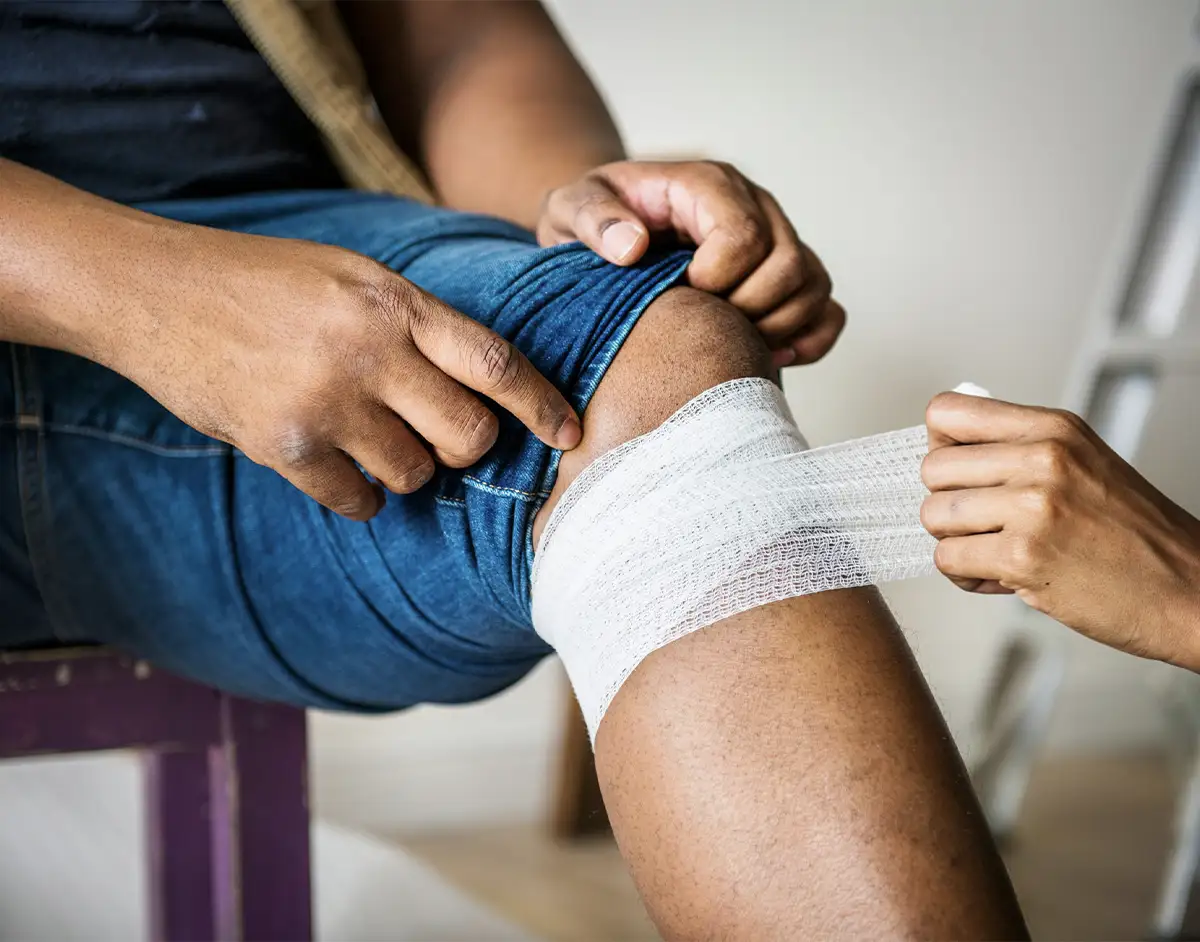
This is caused by wear and tear through over-using the knee. This in turn leads to tendon weakness and, in some cases, tiny tears in the tendon. It’s more common in people who run or jump, which is why it’s sometimes known as ‘jumper’s knee’.
Knee tendon injuries
Tendons connect muscles to bones. They are made of strong, flexible bands of tissue that help your bones and joints to move when your muscles contract.
Sports injuries that affect the tendons are common in football, skiing, lacrosse, hockey, rugby, running, squash, and tennis. Most tendon injuries affect areas near joints and, although they can appear to happen suddenly, in most cases they are caused by a number of tiny tears to the tendon over a long period of time.
Tendinopathy, where tendons around the knee become painful and swollen restricting movement, is usually caused by over-use or repeated minor accidents. Tendinopathy tends to be a long-term (chronic) condition and is unlikely to need surgery. It can often improve with a course of physiotherapy.

QUICK LINKS
Patella (kneecap) tendinopathy (jumper’s knee)
Patella tendinopathy (jumper’s knee)
What are the symptoms of patella tendinopathy?
Symptoms include pain at the front of the knee, made worse if you jump or hop.
How is patella tendinopathy diagnosed?
Your consultant will discuss your symptoms with you and examine your knee to check for tenderness, stiffness, swelling and any difficulties with movement. In most cases, they will arrange for you to have a magnetic resonance imaging (MRI) or ultrasound scan to show the extent of the injury and any damage to the surrounding area.
How is patella tendinopathy treated?
You may need to have treatment over a long period of time to recover completely. Your consultant will be able to discuss your options with you, which may include:
- Intensive physiotherapy
- Steroid or platelet rich plasma (PRP) injections
- Activated Mesenchymal Pericyte Plasma injections (AMPP®)
- Shockwave therapy, a painless procedure where shockwaves are passed into the injured part of the knee to help speed up the healing process
If your symptoms don’t improve, in some cases you may need to have knee tendon repair surgery.
Quadriceps tendinopathy
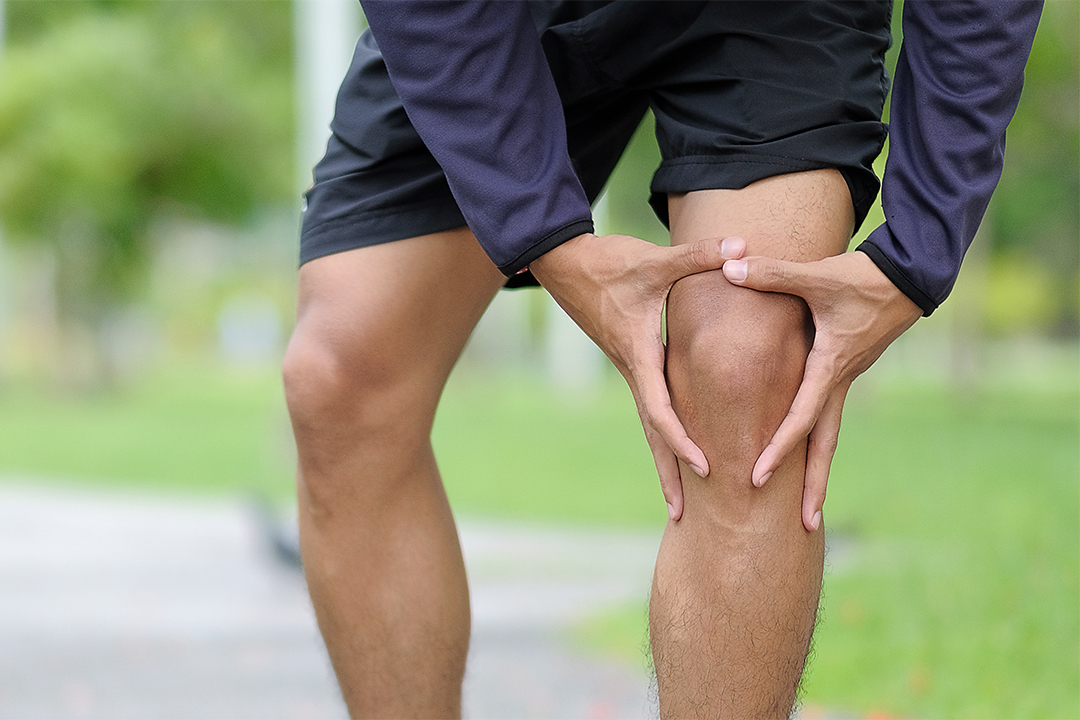
Less common than patella tendinopathy, quadriceps tendinopathy affects the attachment of the quadriceps tendon to the top of the kneecap (patella) and is more common in older people.
Quadriceps tendinopathy
What causes quadriceps tendinopathy?
Quadriceps tendinopathy is more common if you repeatedly put stress on the tendon, for example during sports such as running or football. It can, however, also be caused by sudden force affecting the tendon, for example if you suddenly speed up while running or when landing from height.
What are the symptoms of quadriceps tendinopathy?
Symptoms include tenderness, swelling and pain at the front of the knee above the kneecap when the muscle is tightened. Pain may gradually become worse over a period of time.
How is quadriceps tendinopathy treated?
You may need to have treatment over a long period of time to recover completely. Our specialist consultants will be able to discuss your options with you, which may include:
- Intensive physiotherapy
- Steroid or platelet rich plasma (PRP) injections
- Adipose tissue therapy
- Ultrasound shockwave therapy, a painless procedure where shockwaves are passed into the injured part of the knee to help speed up the healing process.
If your symptoms don’t improve, you may be advised to have tendon repair surgery.