Knee running injuries
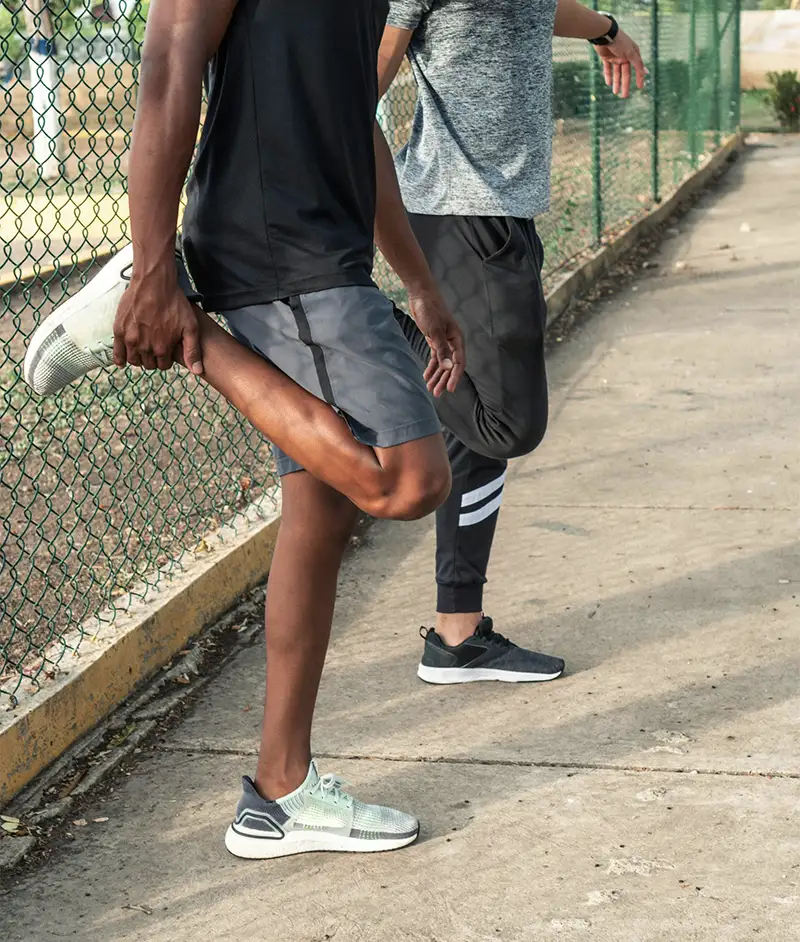
There are two conditions which are most frequently experienced by runners: Patellofemoral syndrome or overload and ITB syndrome.

QUICK LINKS
Patellofemoral syndrome or overload and ITB Syndrome
The patella or kneecap joint connects the shin bone (tibia) with the thigh bone (femur). As the knee flexes and extends, the kneecap slides over the end of the thigh bone to allow the knee to straighten and bend.
Patellofemoral pain syndrome (PFPS), more commonly known as runner’s or jumper’s knee, is the name given to a range of painful symptoms caused by some abnormality in this joint, which causes pain in front or beneath the kneecap due to an issue with the tendons inserting into the upper or lower end of the kneecap.
The other area that is commonly injured in runners is the ITB or iliotibial band. This is a large tendon running from the hip to the knee on the outside of the thigh. With excessive running it can become inflamed and cause ITB syndrome.
Runner’s knee and ITB syndrome
Runner’s knee and ITB syndrome can be caused by:
- Increased stress on the patellofemoral joint or ITB due to a rapid increase in running intensity in terms of distance, speed or incline, or overwork without adequate rest periods
- Previous lower limb injury, which can change the biomechanics of the knee
- Additional stress on the patellofemoral joint caused by a lack of strength or tightness in the thigh muscles, calf muscles or hamstrings
- Carrying excess weight causing too much stress on the knee
In patellofemoral syndrome, the problem is with the insertion of the quadriceps tendon, which feeds into the top of the kneecap or top part of the patella, or with the start or origin of the patella tendon from the lower part of the patella from where it originates. The tendons become thickened and inflamed and it’s this that causes the pain. More specifically there is an area within the tendon that is damaged and scars and new blood vessels and nerves feed into this area, causing pain.
This is also true for ITB syndrome where overload and excessive impact cause a repetitive injury to the lower end of the tendon, which causes pain and swelling on the outer side of the knee. This pain usually comes on after a certain distance which gets progressively shorter and settles with rest. It can be very frustrating for runners!
Symptoms include:
- Pain in the front of the knee for patellofemoral syndrome and pain on the outer side of the knee for ITB syndrome
- A grinding or crunching sensation within the knee, often after rest
- Pain worsening when moving, particularly up and downhill or on stairs
- Pain with impact especially running for ITB syndrome and jumping
- Knee swelling
- Stiffness and increased pain after rest
Our consultants will discuss your symptoms with you and examine your knee to check for stiffness, swelling and to see which movements give you pain. The best way of looking at the damaged area is with ultrasound which can show the area of damage within the tendons and the new blood vessel or “neovascularisation”. In some cases, they will arrange for you to have an X-ray and magnetic resonance imaging (MRI) which give the best overview and rules out other causes of knee pain, such as damage to the joint surface under the knee or meniscal damage.
Our consultants will discuss a course of treatment with you which will aim to reduce the symptoms and address the underlying cause of the pain.
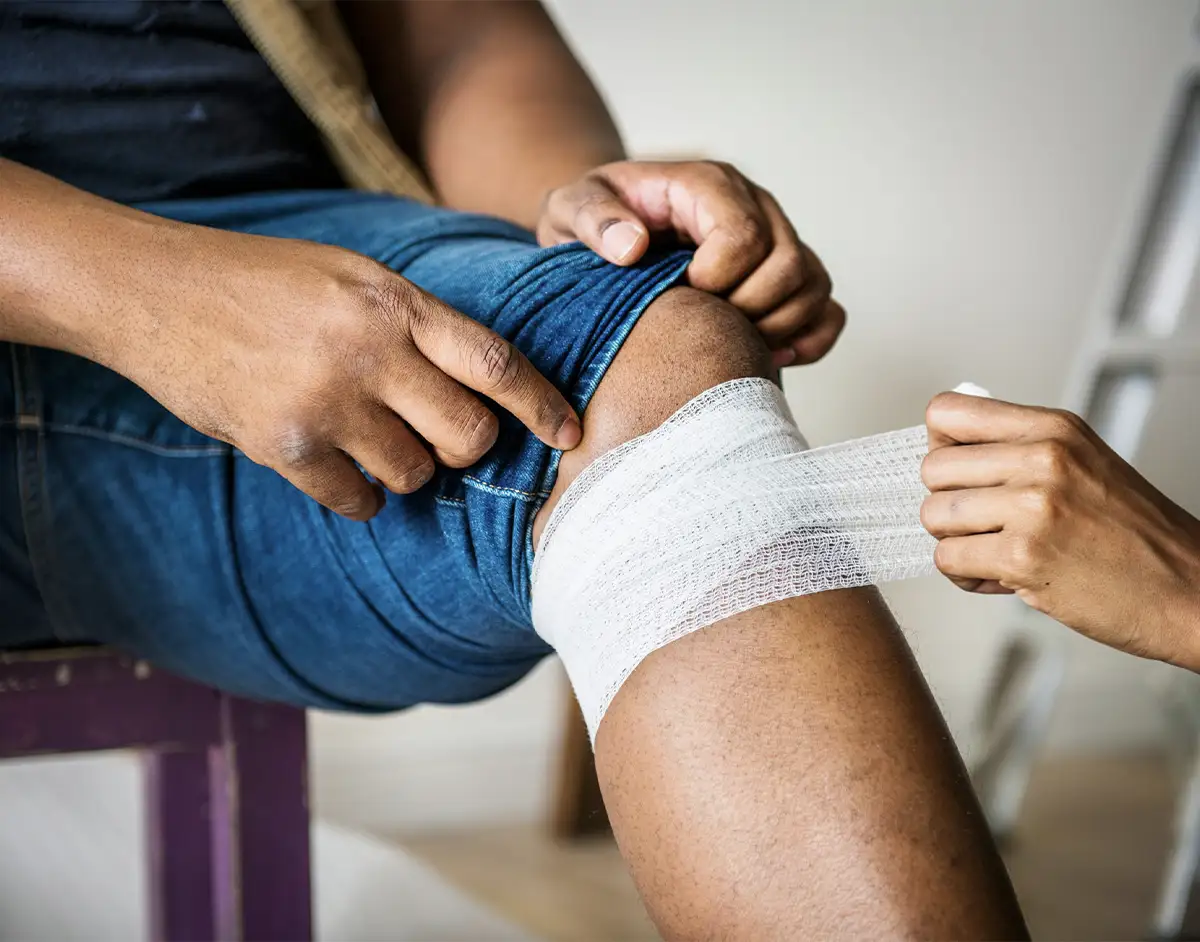
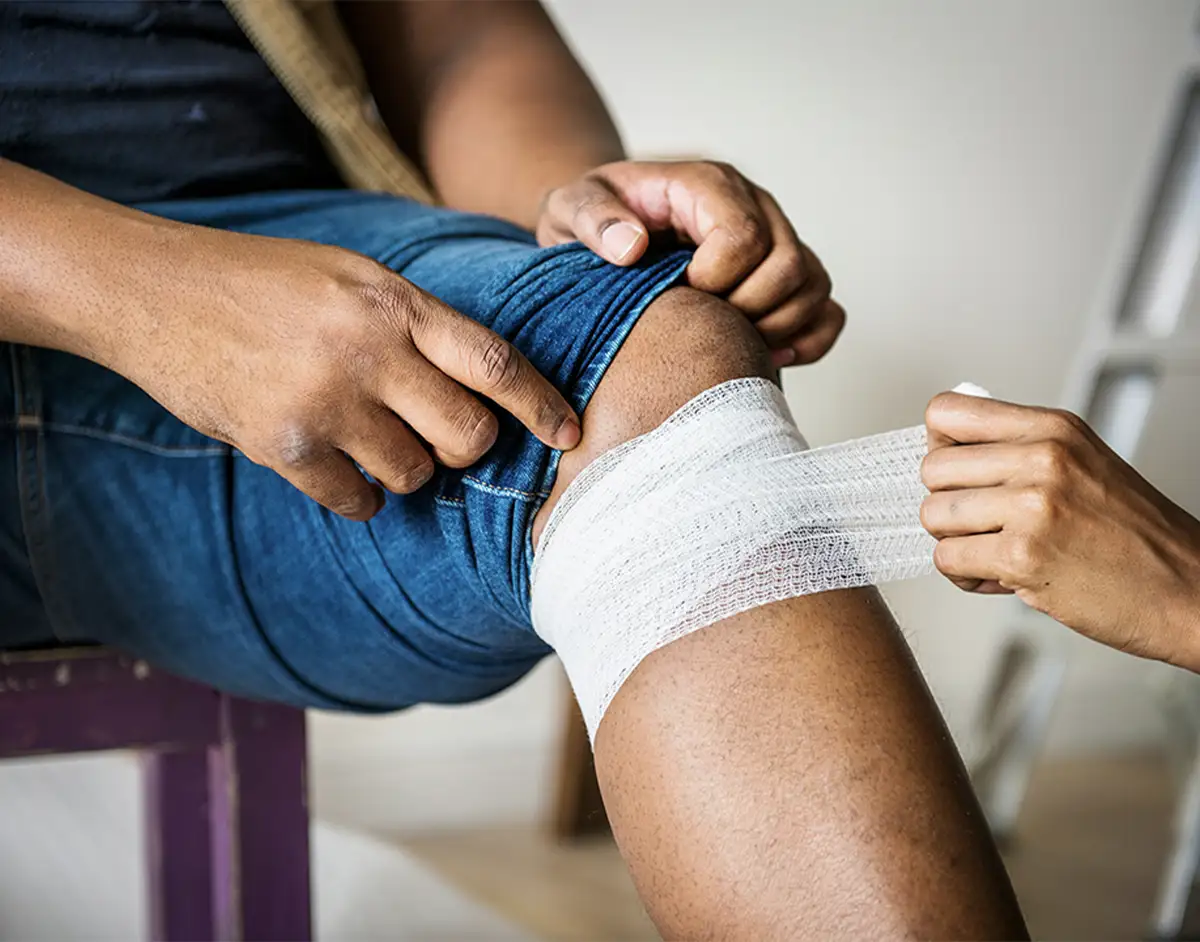
Non-surgical measures to reduce initial symptoms may include R.I.C.E. (rest, icing, compression, and elevation) and anti-inflammatory medication.
Physiotherapy to stretch and strengthen tight or weak muscles. Usually, we encourage an eccentric exercise programme.
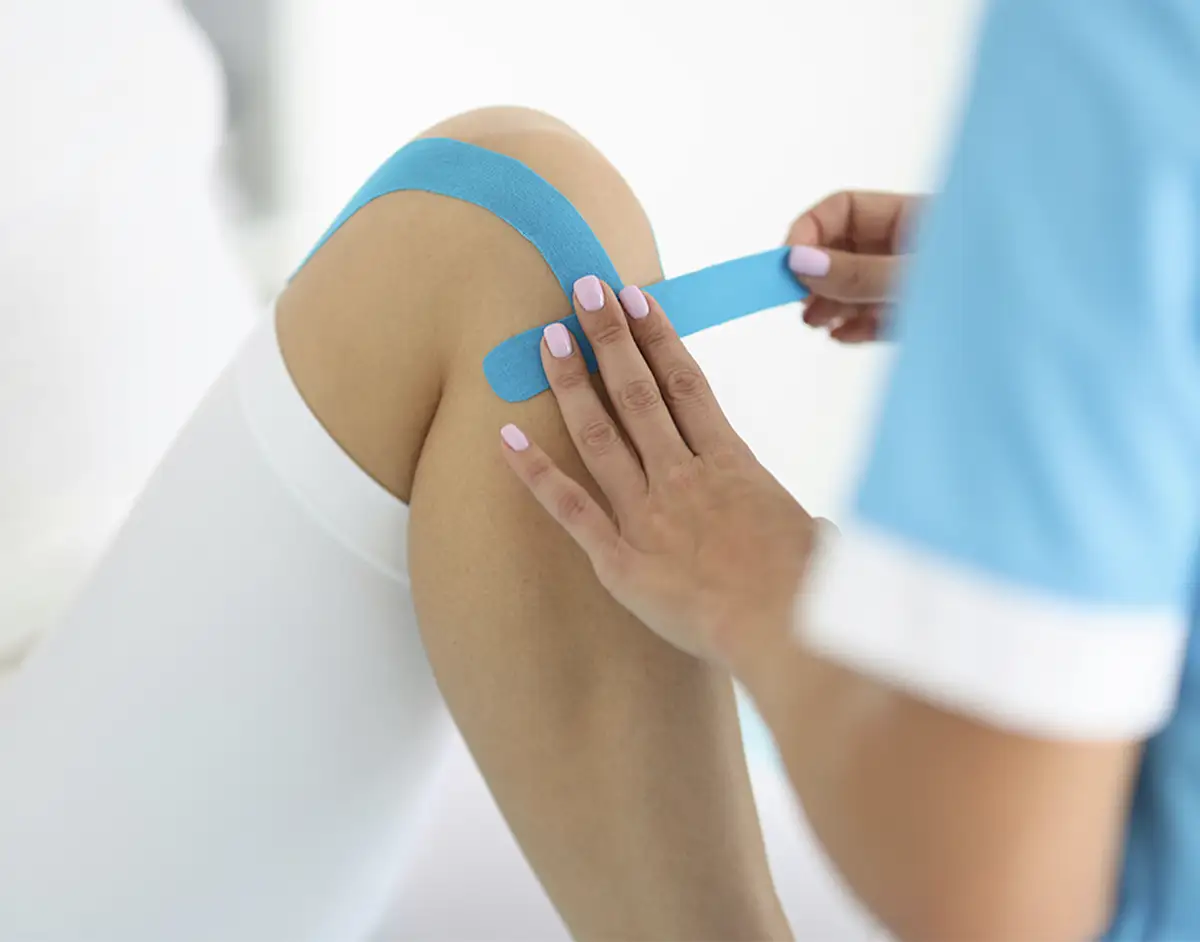
A knee brace to maintain the correct alignment within the kneecap. There have been great advances in bracing and this can be very beneficial.
PRP therapy (platelet rich plasma therapy), which is now a mainstream treatment for these tendon problems. This is simply a blood injection where 10 mls of blood is taken and centrifuged for 5 minutes and then the plasma is siphoned off and extracted. The plasma is then injected under ultrasound guidance into the damaged areas. This process is done in an outpatients clinic and takes a few minutes. Within the plasma are proteins or growth factors that are released by the platelets which are tiny cells sitting in large numbers in blood. These have regenerative potential and are profoundly anti-inflammatory and promote healing. There are as many as 60 different growth factors that have healing potential in PRP such as PDGF or platelet derived growth factor.
Shockwave therapy is another important treatment modality for treating tendon problems around the knee. If appropriate, 2 or 3 fifteen minute seasons of high intensity ultrasound can target the damaged area and promote healing.
Surgery:
In rare cases, an operation may be required to remove scar tissue or detention and decompress ITB syndrome and promote healing.