Home / Treatments / Knee

Knee

Our expert team of orthopaedic specialists offers a comprehensive range of knee treatments and is dedicated to providing first-class care to help you get back to living your best life.

Experts in the diagnosis and treatment of knee conditions

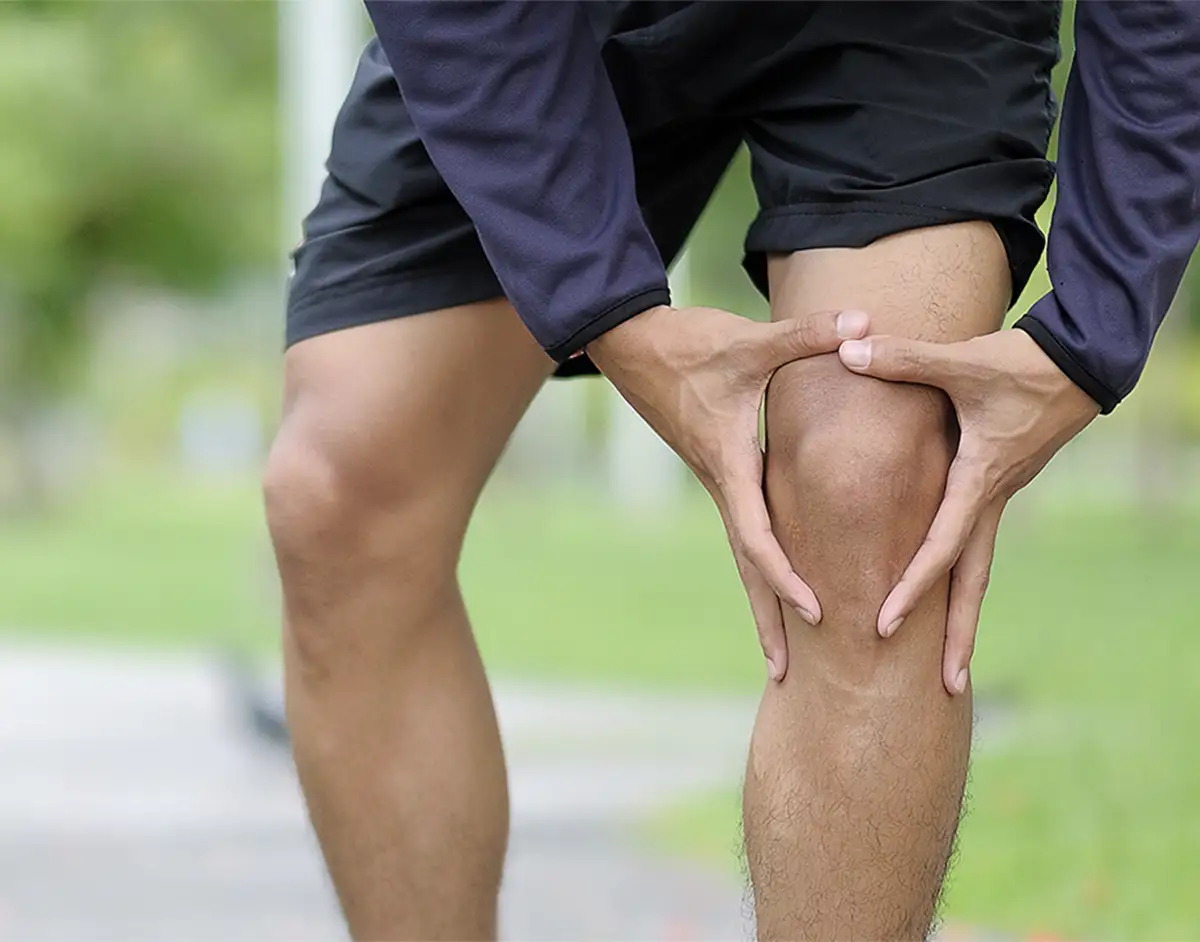
The knee is the largest and most complex joint in your body and can be affected by a wide range of injuries and conditions, each requiring careful attention and care. Our knee consultants are specialists in managing all types of knee issues from traumatic injuries such as ACL rupture to degenerative conditions like arthritis.

Using advanced imaging and diagnostic techniques, our knee specialists accurately diagnose conditions and design highly individualised treatment plans to ensure the best possible outcomes and patient satisfaction. In many cases, our diagnostic tests are often available on the same day as your initial appointment, accelerating your path to treatment and recovery.

Made up of surgeons, musculoskeletal radiologists, physiotherapists, sports medicine specialists and other healthcare professionals, our multidisciplinary knee team works together to provide comprehensive care for knee conditions of all complexities and severity.

Offering the most advanced treatments, our skilled team provide a wide range of both non-surgical and surgical treatments including physiotherapy, bracing, injections, minimally invasive arthroscopy, total knee replacement, partial knee replacement and complex reconstructions.

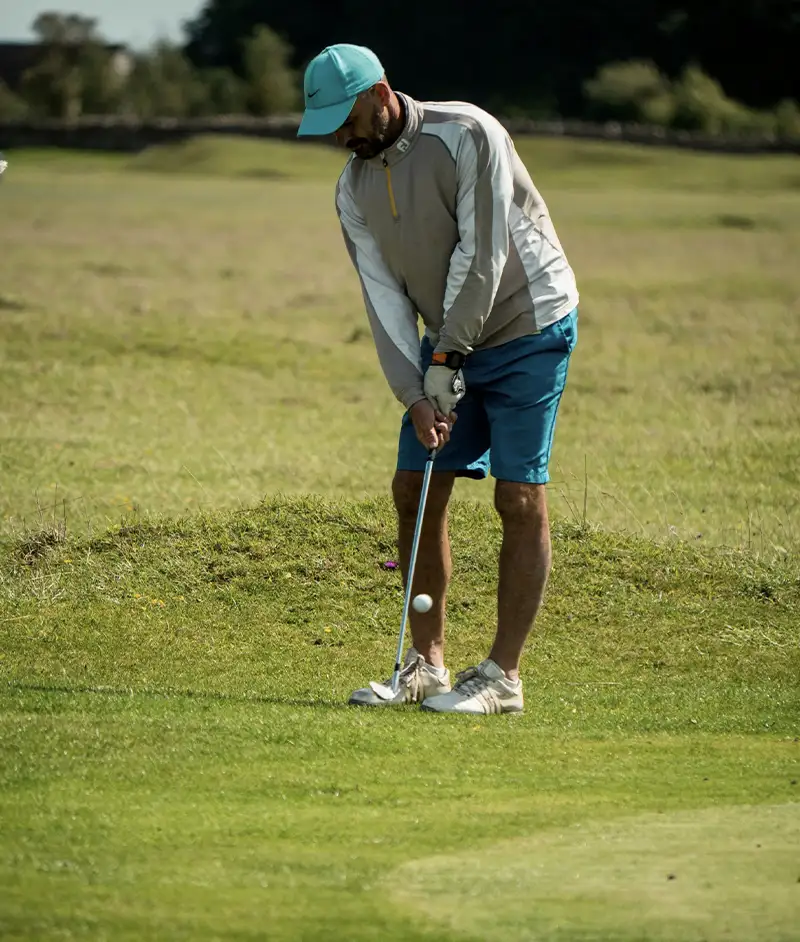
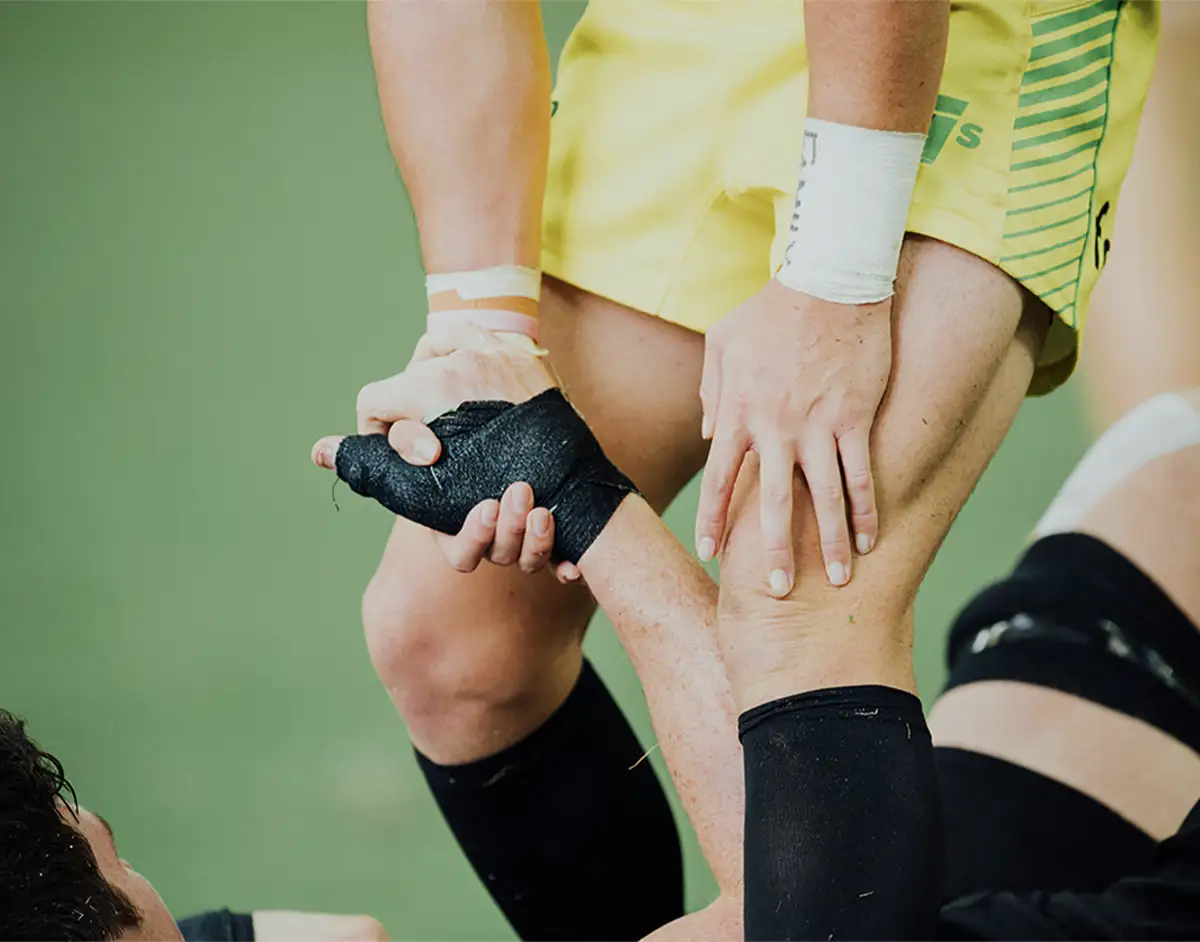
Working closely with our sports and exercise medicine physicians and other orthopaedic consultants with a specific interest in sporting injuries, our knee specialists are also equipped to provide the highest standard of care and condition management to professional and elite athletes with sports injuries.

In our innovative Joint Preservation Clinic our experts offer a range of treatment options to help preserve the knee joint to prevent or delay the need for joint replacement surgery for as long as possible.

Whatever your reason for visiting us, from prehabilitation to treatment to post-surgical rehab, our team are here to provide you with world-class care from the moment you walk through our doors.

Knee anatomy

The knee is a hinge joint and is the point where the bones of your upper and lower leg meet. The main bones of the knee are the:

● Thigh bone (femur)
● Shin bone (tibia)
● Kneecap (patella)

The ends of your thigh and shin bone are covered by a flexible tissue called cartilage, which helps absorb shock and allows your bones to glide over each other smoothly.

The crescent-shaped pads of cartilage between your tibia and femur are known as the:

● lateral meniscus (on the outer side of your knee)
● medial meniscus (on the inner side of your knee)

The bones of your knee are held together by a joint capsule, which is made up of two inner and outer layers. The outer layer is made of dense connective tissue, while the inner layer, called the synovium, secretes fluid to keep the joint lubricated.

The outer layer is attached to the ends of the bones and is supported by the following ligaments and tendons:

● The quadriceps tendon, which attaches your quadriceps to your patella
● The medial collateral ligament (MCL), which stabilises the inner part of your knee
● The lateral collateral ligament (LCL), which stabilises the outer part of your knee
● The anterior cruciate ligament (ACL), which stops your tibia from moving too far forwards
● The posterior cruciate ligament (PCL), which stops your knee from moving too far backwards

The muscles that support your knee are the:

● Hamstrings, located at the back of your leg, running from your hip to just below your knee. They help bend your knee
● Quadriceps, the four muscles at the front of your thigh, running from your hip to your knee. They work to straighten your knee from a bent position

Why OS Clinic?

With leading surgeons at the helm, our knee service provides a world-class, multidisciplinary approach to treatment and offers you the personalised care you need to get back on your feet as quickly as possible.

Our consultants are involved in leading research, contributing to the development of new surgical techniques, implants and rehabilitation protocols, so you know we’re always at the forefront of the latest treatment innovations.

In addition, we take a data-driven approach to our care which allows us to continually refine and improve our ways of working. This commitment to quality ensures that every one of our patients receives the best possible care while with OS Clinic.


OS GROUP

NEED A DIAGNOSIS?

Book a consultation with a specialist consultant

Knee

TREATMENTS

SUCCESS STORIES

WHAT OUR PATIENTS SAY

Knee

CONDITIONS

Meniscal-tear-Knee-injury-clinic

Meniscal tears in the knee

There are two meniscal cartilages in the knee that act as shock-absorbers – one on the inner and one on the outer side. They are made up of a different type of cartilage to joint surface cartilage and...
Kneecap-patella-instability-injury-treatment

Kneecap (patella) instability

The kneecap (patella) is in the V-shaped groove at the bottom of the thigh bone, the trochlear groove. The knee joint is stabilised and supported by ligaments, which are thick bands of rubbery tissue ...
Kneecap-fracture-patella-injury.jpg

Kneecap (patella) fracture

The kneecap is a small bone at the front of the knee at the point where the thigh bone and shin bone meet. It protects the knee joint and connects muscles from the shin bone to the thigh.   ...
Tendon-Pain-clinic

Kneecap (patella) dislocation

A dislocated kneecap occurs when the patella (kneecap) that sits over the front of the knee comes out of its groove at the end of the thigh bone (femur), coming to rest on the outside of the knee join...
Knee-tendon-injury-clinic

Knee tendon injuries

Tendons connect muscles to bones. They are made of strong, flexible bands of tissue that help your bones and joints to move when your muscles contract. Sports injuries that affect the tendons are comm...
Kneecap-patella-instability-injury-treatment

Knee sports injuries and trauma

Sports injuries can affect the ligaments and tendons around the knee. Ligaments are the thick bands of rubbery tissue connecting bones at the knee joint. Tendons connect the knee muscles to the bone. ...

Knee running injuries

There are two conditions which are most frequently experienced by runners: Patellofemoral syndrome or overload and ITB syndrome.

Knee replacement surgery

The knee is divided into three compartments: the medial (inner), the lateral (outer) and the patello-femoral. Any of these compartments can be replaced, without replacing the entire knee joint. Knee r...

Knee

CONDITIONS & TREATMENTS

Knee-Arthritis-Condition-Clinic

Arthritis Osteoarthritis

Arthritis, or degenerative osteoarthritis, of the knee is caused by long term wear and tear to the cartilage that naturally cushions the knee joint. This causes the bones in the joint to rub together ...
Knee-Cartilage-Diagnosis-Treatment

Knee cartilage injuries

Within the knee joint, the cartilage – the joint surface covering the ends of the bones – acts as a shock absorber that cushions the bones, allowing them to move smoothly. It can become damaged throug...
Knee-Dislocation-Injury-Clinic

Knee dislocation

A dislocated knee is a serious injury in which the thigh bone (femur) and the shin bone (tibia) become disconnected. This is different from a dislocated kneecap, which is when the kneecap (patella) be...
Knee-ligament-injury-clinic

Knee ligament injuries

Knee ligaments connect the bones and cartilage, as well as holding together and supporting the knee joint. They are made of tough, rubbery connective tissue. Four major ligaments support and stabilise...
Knee-problems-children-injury

Knee problems in children

As children become more involved in extreme sports such as skiing and snowboarding, and are generally more active at a younger age, the OS Clinic team are seeing increasing cases of ligament damage, p...

Knee replacement surgery

The knee is divided into three compartments: the medial (inner), the lateral (outer) and the patello-femoral. Any of these compartments can be replaced, without replacing the entire knee joint. Knee r...

Knee running injuries

There are two conditions which are most frequently experienced by runners: Patellofemoral syndrome or overload and ITB syndrome.

Kneecap-patella-instability-injury-treatment

Knee sports injuries and trauma

Sports injuries can affect the ligaments and tendons around the knee. Ligaments are the thick bands of rubbery tissue connecting bones at the knee joint. Tendons connect the knee muscles to the bone. ...
Knee-tendon-injury-clinic

Knee tendon injuries

Tendons connect muscles to bones. They are made of strong, flexible bands of tissue that help your bones and joints to move when your muscles contract. Sports injuries that affect the tendons are comm...
Tendon-Pain-clinic

Kneecap (patella) dislocation

A dislocated kneecap occurs when the patella (kneecap) that sits over the front of the knee comes out of its groove at the end of the thigh bone (femur), coming to rest on the outside of the knee join...
Kneecap-fracture-patella-injury.jpg

Kneecap (patella) fracture

The kneecap is a small bone at the front of the knee at the point where the thigh bone and shin bone meet. It protects the knee joint and connects muscles from the shin bone to the thigh.   ...
Kneecap-patella-instability-injury-treatment

Kneecap (patella) instability

The kneecap (patella) is in the V-shaped groove at the bottom of the thigh bone, the trochlear groove. The knee joint is stabilised and supported by ligaments, which are thick bands of rubbery tissue ...
Meniscal-tear-Knee-injury-clinic

Meniscal tears in the knee

There are two meniscal cartilages in the knee that act as shock-absorbers – one on the inner and one on the outer side. They are made up of a different type of cartilage to joint surface cartilage and...

CONTACT

Looking to speak to one of our team? Get in touch

  • Company name/LLP Name - OS Corporate Holdings Limited
  • Registered number - 16079076
  • Place of registration - Registered in England and Wales
  • Registered office address - Unit 2.02 High Weald House, Glovers End, Bexhill, East Sussex, England, TN39 5ES
  • Postal address - 45 Queen Anne Street, London W1G 9JF
OS CLINIC ARE RATED EXCELLENT ON
Logo-DoctifyLine 4Logo-TopDoctorsLine 4Logo-Google
© Os GROUP 2024 | Company number: OC423111
Search
- -
BOOK A CONSULTATION

DO YOU KNOW WHICH CONSULTANT YOU NEED AN APPOINTMENT WITH?

BOOK A CONSULTATION

PLEASE ENTER THE CONSULTANTS NAME

Search Consultants
- -